
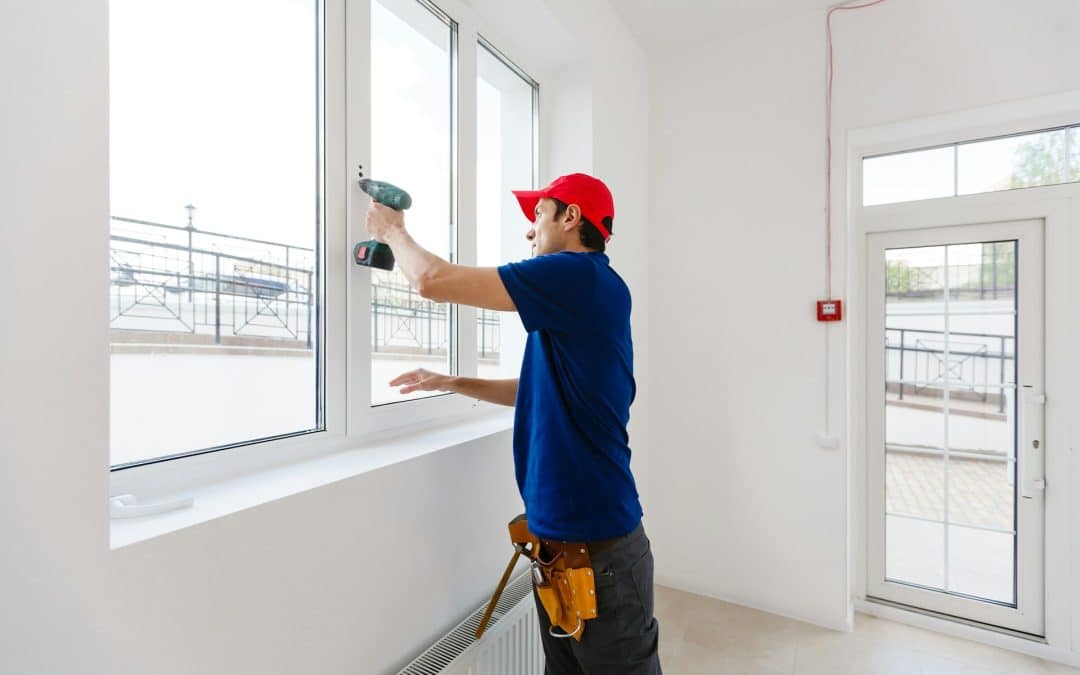
Window Installation is an important part of maintaining and improving a home. Many homeowners wonder how long the process takes because they want to plan their schedules, protect their property, and avoid unnecessary disruptions. Whether you are replacing one outdated window or upgrading every window in your home, understanding the timeline can help you prepare for the project more effectively.
The amount of time needed depends on several factors, including the number of windows, the condition of the existing frames, and the type of installation being performed. Professional installers follow careful steps to ensure every window is secure, energy efficient, and properly sealed. Knowing what to expect during the process can make the experience less stressful and more manageable. This guide explains the typical timeline for window replacement projects and the factors that can affect how long the installation will take.
Factors That Affect Installation Time
Several important factors determine how long a window replacement project will take. One of the biggest factors is the number of windows being installed. A single window replacement can often be completed within a short period, while a whole-house project may require multiple days. Larger homes with many windows naturally take more time to complete.
The style and size of the windows also affect the timeline. Standard-sized windows are usually easier and faster to install than custom or oversized designs. Specialty windows often require additional adjustments and careful handling to ensure a proper fit. Bay windows, picture windows, and custom-shaped windows can take longer because they involve more detailed work.
The condition of the current window frames is another major factor. If installers discover water damage, wood rot, or structural issues, additional repairs may be necessary before the new windows can be installed. These repairs can increase the overall timeline of the project.
Weather conditions can also create delays, especially for exterior work. Heavy rain, strong winds, or extremely high temperatures may slow down the installation process. Professional contractors focus on completing the project safely while maintaining quality workmanship. Proper planning and communication with the installation team can help minimize delays and keep the project moving smoothly.
How Long Does It Take to Install One Window?
A standard Window Installation for one window typically takes between 30 minutes and two hours. The exact time depends on the type of window, the condition of the opening, and the complexity of the installation. Simple replacement windows are usually faster because the existing frame remains intact.
The process starts with removing the old window carefully to avoid damaging the surrounding structure. Installers then inspect the opening for signs of damage or moisture issues. Once the area is prepared, the new window is placed into position and secured properly. Insulation and sealing materials are added to prevent air leaks and improve energy efficiency.
Custom windows may take longer because they require more precise adjustments. Larger windows are also heavier and may need additional labor to install safely. After the window is secured, installers test it to make sure it opens, closes, and locks correctly.
Cleanup is another part of the process. Professional contractors usually remove debris, old materials, and packaging before leaving the site. Although replacing a single window does not take very long, installing several windows in one home can increase the total project time significantly.

Timeline for Full-Home Window Replacement
Replacing all the windows in a home is a larger project that often takes one to three days to complete. The timeline depends on the size of the home and the number of windows involved. Professional crews can usually install multiple windows in a single day under normal conditions.
For an average-sized home, installers may complete 10 to 15 windows daily. However, homes with custom windows or complicated layouts may require additional time. Older homes sometimes present challenges because the frames may not be level or structurally sound. In those cases, installers may need to make repairs before continuing with the installation.
Preparation before the project begins can help speed up the process. Homeowners should clear furniture away from windows and remove blinds, curtains, or decorations. Easy access to the work areas allows installers to move more efficiently throughout the home.
Communication with the contractor is important during larger projects. Homeowners should ask for an estimated schedule and discuss any concerns ahead of time. Professional installers work carefully to balance efficiency with quality workmanship. Taking the time to install windows properly helps ensure long-term durability and performance.
Retrofit vs. Full-Frame Installation
The type of Window Installation being performed has a major impact on the project timeline. Retrofit installation is generally faster because the existing window frame stays in place. Contractors remove the old window components and fit the new window into the original frame. Since less structural work is involved, retrofit installations are often completed more quickly.
Full-frame installation is more detailed because the entire window and frame are removed. This method is often recommended when the existing frame is damaged, outdated, or no longer energy efficient. Full-frame replacement takes longer because installers must inspect and prepare the opening carefully before placing the new frame and window.
Although full-frame installation requires more labor, it offers several advantages. Homeowners can improve insulation, update the style of their windows, and address hidden structural issues. Full-frame replacements may also increase the overall lifespan of the windows.
Professional contractors will evaluate the condition of the existing windows and recommend the best installation method for the property. Choosing the right approach can improve both efficiency and long-term performance.
Preparing Your Home for Installation Day
Preparing your home before installation day can make the project more efficient and reduce stress. One of the first steps homeowners should take is removing curtains, blinds, and window decorations. This gives installers easier access to the work area and helps protect personal belongings from dust or debris.
Furniture near windows should also be moved out of the way whenever possible. Creating a clear workspace allows the installation crew to work safely and efficiently. Homeowners may also want to cover nearby furniture or flooring to protect against dirt and dust during the process.
Children and pets should be kept away from installation areas for safety reasons. Window replacement involves tools, sharp materials, and heavy equipment that could pose risks. Providing installers with a safe and organized work environment helps the project move more smoothly.
It is also important to confirm the installation schedule with the contractor before work begins. Homeowners should ask questions about expected timelines, cleanup procedures, and any special instructions. Proper preparation can help avoid delays and improve the overall installation experience.

Common Delays During Window Projects
Although most projects are completed on schedule, certain issues can delay installation work. Weather is one of the most common reasons for delays, especially during outdoor installations. Rain and strong winds can make working conditions unsafe and may prevent contractors from completing exterior sealing work.
Material availability can also impact the timeline. Custom windows often take longer to manufacture and deliver compared to standard models. Delays in shipping or supply chain issues can push installation dates back unexpectedly.
Hidden structural damage is another common issue. When old windows are removed, contractors may discover wood rot, mold, or damaged framing. These problems must be repaired before the new windows can be installed correctly. While repairs add extra time, they are necessary to ensure long-lasting performance.
Benefits of Professional Installation
Hiring professionals for window replacement offers many important benefits. Experienced installers understand how to fit and seal windows correctly to maximize energy efficiency and durability. Poor installation can lead to air leaks, water damage, and higher utility bills.
Professional contractors also have the right tools and training to handle different window styles safely. Large or custom windows often require specialized equipment and additional labor. Experienced crews know how to complete installations efficiently while minimizing the risk of damage to the home.
Warranty protection is another important advantage of professional installation. Many manufacturers require certified installation to keep warranties valid. This gives homeowners added protection and peace of mind in case issues arise later.
Conclusion
The amount of time needed for window replacement depends on the number of windows, the installation method, and the condition of the home. While a single window may only take a couple of hours, larger projects can take several days to complete. Proper planning, preparation, and professional installation can help ensure the process goes smoothly and efficiently.
Choosing an experienced contractor is important for achieving long-lasting results and avoiding unnecessary delays. American Windows of DFW proudly provides professional window replacement services in Point and surrounding areas. Their team focuses on quality workmanship, reliable service, and customer satisfaction on every project. Whether you need one window replaced or a complete home upgrade, they are ready to help. For more information or to schedule a consultation, contact American Windows of DFW today at 817-744-7752.