
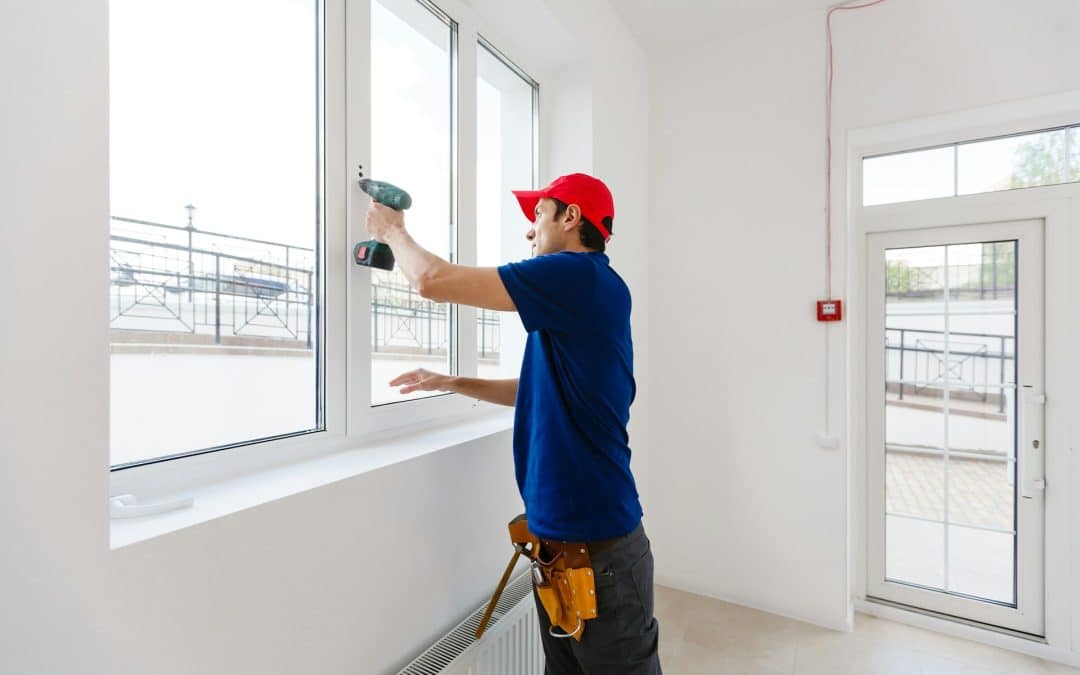
If you are planning a home improvement project, one of the most common questions homeowners ask is whether permits are required for Window Installation in Point. Replacing or installing new windows can improve your home’s energy efficiency, appearance, and value, but local building regulations may affect how the project is completed. Understanding permit requirements before starting work can help you avoid delays, unexpected costs, and potential code violations.
Permits are designed to ensure that construction projects meet safety standards and local building codes. Depending on the scope of the project, your municipality may require approval before installation begins. Whether you are replacing existing windows or creating entirely new openings, knowing the rules can save time and frustration. This guide explains when permits may be necessary, how the process works, and what homeowners in Point should know before beginning a window replacement project.
Understanding Building Permits for Window Projects
Building permits are official approvals issued by local government agencies that authorize construction or renovation work. Their primary purpose is to ensure that projects comply with established building codes and safety regulations. When homeowners undertake renovations without the proper permits, they may face fines, delays, or complications when selling their property in the future.
Window projects often fall into a gray area because requirements vary by location and project type. In many communities, simple replacements that do not alter the structure may not require a permit. However, installations involving structural modifications frequently do. Local authorities evaluate whether the project affects the home’s integrity, energy efficiency standards, or safety requirements.
Permits also provide an additional layer of quality assurance. Inspections conducted during or after the project help verify that the installation meets current standards. This protects both homeowners and future buyers.
Before beginning any renovation, it is wise to contact your local building department. Even if permits are not required, obtaining confirmation can prevent misunderstandings later. Regulations can change over time, making it important to verify current requirements before moving forward with your project.
When Window Replacement Usually Does Not Require a Permit
In many situations, replacing old windows with new ones of the same size and style does not require a permit. These projects are often considered maintenance or repair work rather than structural modifications. As long as the existing opening remains unchanged, local authorities may allow the installation without formal approval.
Homeowners frequently replace aging windows to improve energy efficiency and comfort. Modern products provide better insulation, reduce drafts, and enhance curb appeal. Because these upgrades typically do not alter the home’s structure, they often qualify for simplified requirements.
However, regulations differ from one jurisdiction to another. Even if the work seems straightforward, local ordinances may still require notification or documentation. Certain historic districts and homeowner associations may also impose additional guidelines.
Professional contractors are usually familiar with local regulations and can help determine whether permits are necessary. Consulting an experienced installer before beginning work can provide clarity and reduce the risk of compliance issues.
While permit-free projects are common, homeowners should never assume that all window replacements are exempt. Taking a few minutes to verify local requirements can help ensure a smooth and successful installation process.
Situations That Typically Require a Permit
Permits are often required when a window project involves structural changes to the home. For example, enlarging a window opening may require cutting into framing components that support the building. Any alteration that affects load-bearing structures typically triggers permit requirements.
Installing a new window where none previously existed is another common example. Creating a new opening in an exterior wall changes the building envelope and may impact structural stability, insulation, and weather resistance. Local authorities generally review these projects before approving construction.
Emergency egress windows in bedrooms often require permits as well. These windows must meet specific safety standards regarding size, accessibility, and operation. Inspections help ensure compliance with applicable codes.
When considering Window Installation in Point, homeowners should understand that significant modifications are more likely to require official approval. Obtaining the proper permits helps protect the investment and ensures that all work is completed according to current regulations.
Although the permitting process may seem inconvenient, it ultimately provides peace of mind. Approved work is less likely to create future problems during inspections, refinancing, or property sales.

How Local Building Codes Affect Window Installation
Building codes establish minimum requirements for safety, energy efficiency, and construction quality. These codes influence nearly every aspect of window installation, from glass specifications to installation methods and weatherproofing requirements.
Energy codes have become increasingly important in recent years. Many jurisdictions require windows to meet specific efficiency standards to reduce energy consumption and improve environmental performance. Installers must often verify that products comply with local regulations.
Safety requirements also play a significant role. Certain locations may require tempered glass in hazardous areas such as bathrooms, stairways, or near doors. These regulations help reduce injury risks and improve overall occupant safety.
For homeowners planning Window Installation in Point, understanding applicable building codes is essential. Compliance not only ensures legal approval but also contributes to long-term performance and durability.
The Permit Application Process Explained
The permit application process typically begins with submitting project details to the local building department. Depending on the scope of work, applicants may need to provide drawings, product specifications, and information about the installation method.
Once submitted, local officials review the application to ensure compliance with applicable codes. Simple projects may receive approval quickly, while more complex renovations may require additional review. Processing times vary by municipality.
After approval, work can begin according to the permit conditions. Some projects require inspections during various stages of construction. Inspectors verify that the installation follows approved plans and meets current code requirements.
Homeowners often find the process less intimidating than expected. Many local agencies provide clear guidance and online resources to assist applicants. Contractors frequently handle permitting responsibilities on behalf of homeowners as part of their service agreement.
Risks of Skipping Required Permits
Some homeowners are tempted to bypass permits to save time or money. However, doing so can create significant risks. Unpermitted work may result in fines, mandatory corrections, or legal complications if discovered by local authorities.
Property sales can become particularly challenging when renovations were completed without required approvals. Buyers and lenders often request documentation showing that improvements complied with local regulations. Missing permits may delay transactions or reduce property value.
Insurance claims may also be affected by unpermitted construction. If damage occurs and investigations reveal code violations, coverage disputes could arise. This creates unnecessary financial risk for homeowners.
When considering Window Installation in Point, following local requirements helps avoid these potential problems. Permits provide an official record that work was completed responsibly and according to code.

Benefits of Hiring a Professional Window Contractor
Professional contractors bring valuable expertise to window installation projects. Their knowledge of local regulations, product requirements, and installation techniques helps ensure successful outcomes.
Experienced installers understand when permits are necessary and can often manage the application process for homeowners. This reduces administrative burdens and helps avoid costly mistakes. Contractors also maintain familiarity with changing code requirements and inspection procedures.
Quality workmanship is another significant advantage. Proper installation affects energy efficiency, weather resistance, and long-term performance. Even high-quality windows can underperform if installed incorrectly.
Homeowners investing in Window Installation in Point often benefit from working with licensed professionals who understand local expectations. Professional installation helps maximize product performance while reducing risks associated with improper workmanship.
Questions to Ask Before Starting Your Window Project
Before beginning a window project, homeowners should gather as much information as possible. Asking the right questions can help prevent misunderstandings and ensure a smooth experience.
Start by confirming whether permits are required for the planned work. Request written clarification whenever possible. If hiring a contractor, ask whether permit acquisition is included in the project scope and who is responsible for inspections.
It is also important to discuss product options, energy efficiency ratings, warranties, and installation timelines. Understanding these details helps establish realistic expectations and supports informed decision-making.
Homeowners should inquire about contractor licensing, insurance coverage, and references. Working with qualified professionals reduces risks and improves project outcomes.
Conclusion
Whether permits are required depends on the scope of your project, local building regulations, and whether structural changes are involved. Simple replacements often have fewer requirements, while larger renovations may require formal approval and inspections. Understanding these rules before beginning Window Installation in Point can help homeowners avoid costly delays, fines, and compliance issues.
Working with experienced professionals is one of the best ways to ensure a successful project from start to finish. If you are considering new windows, trust American Windows of DFW for expert guidance and quality workmanship in Point. Their team can help determine permit requirements, recommend the right products, and complete your installation with care and precision. To learn more or schedule a consultation, call 817-744-7752 today.
https://www.spreaker.com/episode/do-i-need-permits-for-window-installation-in-point–73214250
https://www.podomatic.com/podcasts/lavernewheeler1953367/episodes/2026-07-28T06_12_18-07_00
https://stream.redcircle.com/episodes/b8d0e0fa-1022-4b55-a5d0-5609871df14c/stream.mp3