
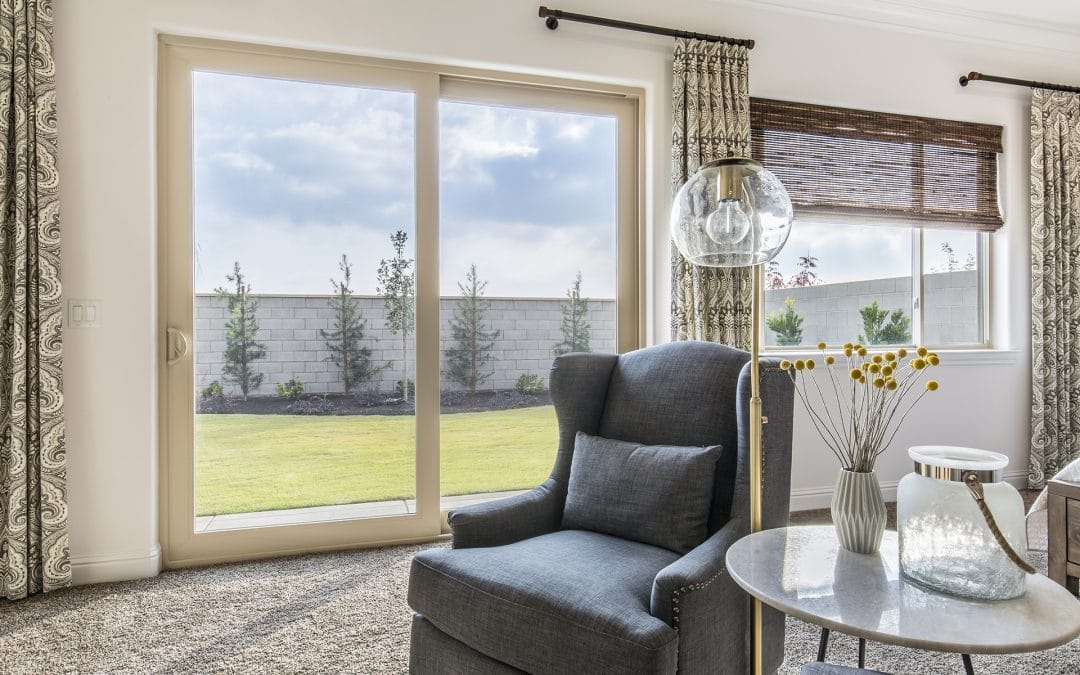
Windows play a major role in maintaining indoor comfort and controlling energy costs. Window Installation is one of the most effective upgrades homeowners can consider when dealing with drafts, rising utility bills, and inconsistent indoor temperatures. Old or poorly installed windows often allow conditioned air to escape, forcing heating and cooling systems to work harder. Modern window solutions are designed with improved materials, advanced glass technology, and better insulation features that help reduce energy loss. Choosing the right windows and ensuring proper installation can make a noticeable difference in a home’s overall efficiency. This article explains how new windows improve energy performance, what benefits homeowners can expect, and why professional installation is important for achieving long-term results.
How Windows Affect Your Home’s Energy Efficiency
Windows are one of the most important parts of a home’s exterior barrier because they separate indoor spaces from outdoor conditions. When windows are outdated, damaged, or improperly sealed, they can become a major source of heat transfer. During hot months, warm outdoor air can enter through weak seals, while cooled air escapes. In colder seasons, heated air may leak outside, making rooms uncomfortable and increasing energy usage. Energy-efficient windows help reduce these problems by using improved designs that limit heat movement. Features such as multiple glass panes, insulated frames, and protective coatings help maintain a more stable indoor temperature. This means your heating and cooling systems do not need to operate as frequently to maintain comfort. Professional Window Installation ensures that these energy-saving features perform correctly. Even high-quality windows may fail to deliver expected results if gaps, poor alignment, or improper sealing occur during installation. A properly installed window creates a tighter barrier against outdoor temperatures, improving comfort while helping reduce unnecessary energy consumption.
The Role of Energy-Efficient Window Materials
The materials used in windows have a direct impact on how well they protect your home from temperature changes. Traditional single-pane windows often provide limited insulation because they allow heat and cold to transfer easily. Modern energy-efficient windows are built with advanced materials designed to improve thermal performance and reduce energy waste. Vinyl, fiberglass, and composite frames are popular choices because they resist weather damage and provide strong insulation. These materials help prevent air leaks and maintain consistent indoor temperatures. Some window systems also include insulated spaces between glass panes filled with gases that slow heat transfer, improving efficiency compared to older window designs. Glass technology is another important factor. Low-emissivity coatings, commonly known as Low-E glass, help reflect unwanted heat while allowing natural light into the home. This can reduce the strain on air conditioning systems during warmer months while helping retain heat during colder periods. Choosing the right materials is only part of the process. Proper Window Installation ensures that these advanced features function as intended. A window with excellent insulation properties will not perform efficiently if it has gaps around the frame or is incorrectly fitted. 
How New Windows Reduce Heating and Cooling Costs
One of the biggest reasons homeowners consider replacing their windows is the potential reduction in energy expenses. Old windows with cracked seals, damaged frames, or outdated glass allow conditioned air to escape. As a result, heating and cooling systems must work harder and run longer to maintain comfortable temperatures. New windows help minimize these energy losses by creating a stronger barrier between the inside of the home and the outdoor environment. Better insulation reduces the amount of heat entering during summer and prevents warm air from escaping during winter. This allows HVAC systems to operate more efficiently and may help lower monthly energy bills. Energy savings can vary depending on factors such as climate, window quality, home design, and existing insulation. However, upgrading inefficient windows is often considered a valuable improvement because it addresses a common source of energy loss. Professional Window Installation also plays a critical role in achieving cost savings. Proper measurements, secure fitting, and high-quality sealing prevent leaks that could reduce the effectiveness of new windows. Even the most advanced window products cannot perform properly when installation mistakes create air gaps.
Improving Indoor Comfort Through Better Window Performance
Energy efficiency is not only about lowering utility bills; it is also about creating a more comfortable living environment. Poor-performing windows can create noticeable temperature differences between rooms, making certain areas feel too hot in summer or too cold in winter. Modern windows help maintain more consistent indoor temperatures by reducing drafts and limiting heat transfer. This creates a more balanced atmosphere throughout the home, allowing families to enjoy comfortable spaces without constantly adjusting thermostats. Quality windows can also reduce issues caused by excessive sunlight. Certain glass coatings help control solar heat gain, preventing rooms from becoming uncomfortable during bright, sunny days. This is especially beneficial for homes with large windows or rooms that receive direct sunlight for several hours. Noise reduction is another advantage of upgrading windows. Many energy-efficient designs include stronger frames and multiple glass layers that help block outside sounds. While the primary purpose may be improved efficiency, homeowners often notice additional comfort benefits after installation.
Why Professional Installation Matters for Energy Savings
Selecting energy-efficient windows is an important step, but the installation process determines how effectively those windows perform. Even the highest-quality products can lose their benefits when they are installed incorrectly. Small gaps around the frame, improper sealing, or incorrect placement can lead to air leakage and reduced insulation. Professional installers have the experience and tools needed to measure openings accurately and ensure windows fit properly. They understand how different window types should be installed based on the home’s structure and local weather conditions. This attention to detail helps prevent issues that may affect efficiency over time. Professional installation also reduces the risk of future problems. Poorly installed windows may experience issues such as water infiltration, drafts, difficulty opening and closing, or premature wear. Proper techniques help protect the investment and extend the lifespan of the windows. Working with experienced professionals provides homeowners with confidence that their upgrade will deliver the expected benefits. A reliable installer can recommend suitable window options and complete the project according to industry standards.
Signs Your Home May Need New Windows
Knowing when to replace windows can help homeowners address energy problems before they become more expensive. One common sign is increased energy bills without major changes in household usage. Inefficient windows may allow conditioned air to escape, causing HVAC systems to consume more energy. Drafts around window frames are another indication that replacement may be needed. If you feel outdoor air entering when windows are closed, the seals may no longer provide adequate protection. Condensation between glass panes can also signal that the window’s insulation layer has failed. Difficulty operating windows is another warning sign. Windows that stick, refuse to open properly, or have damaged hardware may not provide a proper seal. Visible damage such as rotting frames, cracks, or warping can also affect performance and appearance. 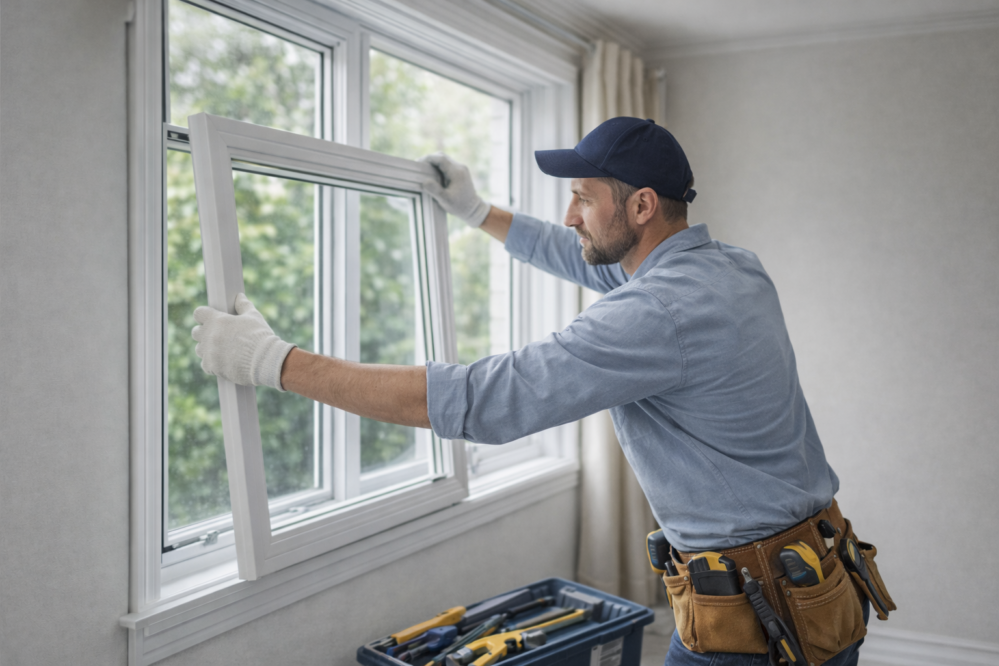
How Window Upgrades Add Value to Your Home
Home improvements that increase comfort and efficiency can also contribute to a property’s overall value. Energy-efficient windows are attractive features for many buyers because they provide long-term benefits, including lower maintenance needs and improved indoor comfort. New windows can enhance a home’s appearance by creating a cleaner, more updated exterior look. They are available in many styles, colors, and designs that complement different architectural preferences. A refreshed appearance can improve curb appeal and make a strong impression on potential buyers. Beyond appearance, efficient windows demonstrate that a home has been maintained with performance in mind. Buyers often consider energy costs when evaluating properties, and upgraded windows can be an appealing feature because they may help reduce future expenses.
Choosing the Right Windows for Maximum Efficiency
Selecting the right windows requires considering several factors, including climate, home design, budget, and efficiency goals. Not every window option provides the same level of performance, so homeowners should evaluate features that match their specific needs. Important factors include glass type, frame material, insulation features, and overall window design. Energy ratings can help homeowners compare products and identify options that provide better thermal protection. Choosing windows designed for local weather conditions can also improve performance.
Conclusion
Upgrading your windows can make a significant difference in your home’s comfort, efficiency, and overall performance. Professional Window Installation helps reduce air leaks, improve insulation, and allow modern window technology to work effectively. Energy-efficient windows can lower heating and cooling demands while creating a more consistent indoor environment. For homeowners in Point looking to improve their property with reliable window solutions, American Windows of DFW provides expert services designed to deliver lasting results. Their team focuses on quality workmanship and efficient installations that help homeowners enjoy greater comfort and value. To learn more about improving your home’s energy efficiency, contact American Windows of DFW at 817-744-7752 today.
https://www.podomatic.com/podcasts/lavernewheeler19podcast/episodes/2026-08-20T08_37_10-07_00
https://stream.redcircle.com/episodes/a9774ec3-939a-454f-989b-e33cb7396854/stream.mp3