
Table of Contents
- What to Expect From Custom Window Installation
- Questions to Ask Window Replacement Contractors
- How Long Does Custom Window Installation Take
- Understanding Average Cost of Custom Window Installation
- Choosing the Right Window Material for Your Home
- The Installation Process: What Happens On-Site
- Maintenance and Long-Term Care After Installation
- Frequently Asked Questions
Last Updated: September 30, 2026
What to Expect From Custom Window Installation
Custom window installation is the process of measuring, fabricating, and professionally installing windows tailored to your home’s unique specifications and architectural style. Unlike standard off-the-shelf replacements, custom installations account for irregular wall openings, specific aesthetic preferences, and performance requirements unique to your property.
When you choose custom fabrication, you’re investing in precision. The installer visits your home, takes detailed measurements, and works with you to select materials that match your climate needs and design goals. This process typically involves a consultation, measurement phase, fabrication period, and finally the installation itself. This comprehensive approach ensures every window fits perfectly and performs as intended.
The real difference between a rushed installation and a quality one comes down to attention to detail. A contractor who takes time during the consultation phase catches potential issues early. They ask about your energy efficiency goals, whether you have pets that might affect sealing requirements, and whether your home has structural considerations that impact installation method.
Ask your contractor about their measurement process during the initial consultation. The best installers use laser measuring tools and visit your home in person, never rely on phone estimates or photos alone.
Questions to Ask Window Replacement Contractors
Before hiring any contractor for custom window installation, you need answers to specific questions that reveal their experience and reliability. The questions you ask separate professionals from those who’ll leave you frustrated.
Start with their track record: “How many custom window installations have you completed in the past year?” A contractor doing this work regularly will have a clear answer. Ask for references from customers with similar homes and window types. Call those references yourself, don’t just read reviews online. Ask them specifically about timeline accuracy and how the crew handled disruptions to their household.
Next, clarify the process: “Walk me through your installation timeline from measurement to completion.” A professional contractor explains each phase and gives realistic timeframes. They should discuss permits if your project requires them, which varies by location and scope of work.
Ask about materials and options: “What window materials do you recommend for my climate, and why?” This question reveals whether they understand local conditions. For homes in areas with temperature swings and weather intensity, the material choice matters significantly. A contractor pushing the most expensive option without explaining the performance difference is a red flag.
If a contractor quotes over the phone without visiting your home, walk away. Custom window installation requires in-person measurement. Phone quotes are guesses, and guesses lead to installation problems.
Finally, discuss guarantees and warranties: “What do you guarantee on your installation work, and what does the manufacturer cover?” Understand the difference between product warranty and installation warranty. Some contractors offer extended warranties on their labor, this is worth asking about.
How Long Does Custom Window Installation Take
The timeline for custom window installation breaks into distinct phases, and understanding each one helps you plan accordingly. Most homeowners underestimate how long the process actually takes because they only think about the day the crew shows up.
The consultation and measurement phase typically takes 1-2 weeks from your initial contact. The contractor schedules a site visit, discusses your needs, takes precise measurements, and provides an estimate. Don’t rush this phase. A thorough measurement prevents costly mistakes later.
Fabrication is where custom windows take longer than stock options. Once you’ve approved the order, the manufacturer builds your windows to specification. This phase usually takes 4-8 weeks depending on the complexity of your order and the manufacturer’s current workload. Storm doors and specialty window types take longer. During this waiting period, nothing happens at your home, the work happens at the fabrication facility.
The actual installation typically takes 1-3 days depending on how many windows you’re replacing and the complexity of your openings. A single window might take a few hours. A full-home window replacement for a larger house might span 2-3 days with a crew of two to three installers.
Total timeline: expect 6-12 weeks from initial consultation to final installation. This includes the measurement phase, fabrication wait, and installation days. A professional contractor manages this timeline carefully, keeping you informed at each stage so you’re never left wondering where your project stands.
The fabrication phase is the longest part of custom window installation. Plan your project timeline around this 4-8 week window, not the installation itself.
Understanding Average Cost of Custom Window Installation
Pricing for custom window installation depends on several factors that vary significantly from one project to another. Rather than a single price, think of cost as driven by your specific choices.
Material selection is the primary cost driver. Vinyl windows cost less than wood or impact-rated options. Energy-efficient glass packages add cost but reduce long-term utility expenses. Custom sizing and specialty shapes increase fabrication costs. Storm doors and additional features each add to the total.
The number of windows you’re replacing matters directly. Installing two windows costs less than installing fifteen, though the per-window cost may decrease slightly with larger projects due to efficiency gains.
Installation complexity affects labor costs. Windows in standard rectangular openings install faster and cheaper than custom-shaped openings or installations requiring structural adjustments. If your home has older frames or unusual dimensions, common in homes built in the 1970s, installation may take longer and cost more. These structural variables often dictate the aesthetic limitations of your final interior design, necessitating careful planning for custom window treatments to ensure both functionality and visual harmony.
For accurate pricing, get quotes from multiple contractors. Request detailed breakdowns showing material costs, labor, permits, and any additional fees. Compare not just the total price but what’s included. One contractor’s quote might include removal of old windows and disposal; another might charge separately. A professional contractor provides transparent estimates that itemize each component, so you understand exactly what you’re paying for.
Homeowners who want clarity on costs should request a written estimate that breaks down materials, labor, permits, and any add-ons. Compare three estimates before deciding, this reveals whether a quote is competitive or inflated.
Choosing the Right Window Material for Your Home
Window material selection affects both performance and aesthetics, and the right choice depends on your climate, maintenance preferences, and budget. Understanding the trade-offs helps you decide.
uPVC windows offer durability and low maintenance. They don’t require painting or staining, resist weathering well, and provide good insulation. They’re the most common choice for residential installations because they balance cost and performance effectively. They’re less prone to issues with expansion and contraction than wood, which matters in climates with significant temperature swings.
Wood windows deliver classic aesthetics and excellent thermal performance. They require regular maintenance, painting or staining every few years, to prevent weather damage. For homes where architectural style matters and you’re willing to invest in upkeep, wood windows provide unmatched character. They’re more expensive than uPVC and demand more attention over their lifetime.
Impact-rated windows are engineered for hurricane and severe weather resistance. The glass is laminated to resist shattering, and the frames are reinforced. If you live in an area prone to severe storms or high winds, impact windows provide protection that standard windows don’t. They cost significantly more but can reduce insurance premiums and provide genuine safety benefits.
Storm doors and windows add an extra layer of protection and insulation without replacing existing windows. They’re useful for retrofitting older homes where full replacement isn’t immediately feasible. They provide weatherproofing and thermal benefits at a lower cost than complete replacement.
The best material for your home balances your climate conditions, aesthetic preferences, and maintenance tolerance. A contractor who understands local conditions, temperature extremes, humidity, seasonal storms, can recommend the material that performs best where you live.
The Installation Process: What Happens On-Site
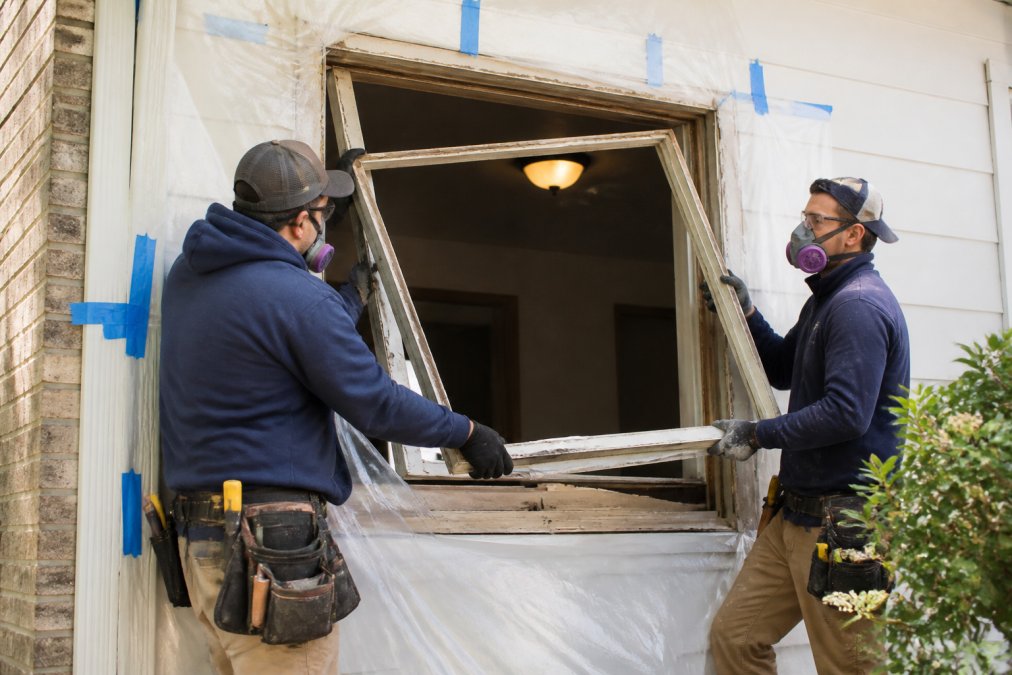
The actual installation day follows a structured sequence that protects your home and ensures proper fit and sealing.
The crew arrives with your custom windows and begins by preparing the work area. They protect your floors and furniture with drop cloths and plastic sheeting, especially important if you have pets or young children at home. This preparation phase takes 30-60 minutes depending on how many windows are being replaced.
Next comes removal of the old windows. The crew carefully takes out the existing frame, being mindful of any lead paint (in older homes) or asbestos materials. Proper disposal of old windows is part of a professional installation.
Watch the sealing step if you’re home during installation. A quality installer takes time with this phase, it’s not rushed. Poor sealing is the most common source of problems after installation is complete.
Maintenance and Long-Term Care After Installation
Custom window installation is just the beginning. How you maintain your windows determines how long they last and how well they perform.
Frequently Asked Questions
What questions should I ask a window installation contractor?
Ask about their licensing and insurance, how long they’ve been in business, whether they handle permitting, their warranty coverage, the installation timeline, how they protect your home during work, and request recent references. Ask specifically about their experience with your home’s age and construction type, and whether they’ll conduct a site inspection before providing an estimate. Request a detailed written quote that breaks down materials and labor costs separately.
How long does custom window installation typically take?
Custom window installation timelines vary based on the number of windows, material type, and your home’s structural condition. A single window typically takes 1-3 days, while a full-home project can span 1-3 weeks. Lead time for custom fabrication ranges from 2-8 weeks depending on the material and complexity. Discuss the complete timeline, including fabrication, delivery, and installation, with your contractor before starting work.
How much does custom window installation cost?
Pricing depends on several factors: window material (vinyl, wood, impact-resistant glass), custom sizing requirements, number of windows, your home’s age and condition, and local labor rates. Installation complexity increases costs if structural work is needed. Request quotes from multiple contractors to compare pricing. Contact American Windows of DFW for a personalized estimate based on your specific project needs and home requirements.
Should I choose vinyl or impact windows for my home?
Vinyl windows offer excellent energy efficiency and lower cost, making them ideal for most homeowners. Impact-resistant windows provide superior protection in storm-prone areas and enhanced security, though they cost more. Consider your climate, local weather patterns, home’s age, and your primary goals, energy savings, storm protection, or aesthetics. A professional contractor can assess your home’s needs and recommend the best material for your situation and budget.